Mission Statement
Driving Instructors Unite (DIU) exists to put SAFETY FIRST on Britain’s roads.
We believe that too many lives are being lost — particularly among young and newly qualified drivers — during the early years of independent driving, when experience, judgement, and risk awareness are still developing.
DIU has been formed to explore and promote practical, evidence-based improvements that better support drivers during this high-risk period.
This includes:
- Reviewing whether current speed limit guidance, particularly on rural roads, reflects real-world conditions and risk
- Considering clearer, more consistent speed guidance where appropriate
- Exploring the role of short-term, supportive measures such as telematics for new drivers
- Bringing together instructors, professionals, organisations, and policymakers to contribute to meaningful, preventative solutions
As the professionals who teach the nation to drive, we are uniting instructors across the UK to help bridge the gap between passing the test and gaining real-world experience.
Our aim is simple:
Fewer deaths. Fewer serious injuries. Safer roads for everyone.
DIU
Driving Instructors Unite
If you would like to help and get involved, please contact us.
Driving Instructors working together across the UK to put pressure on the government for better roads and safer drivers.
The Evidence Has Been There for Decades
“The first duty of government is to keep its citizens safe.” — The Home Office
For many years, the risks associated with rural roads have been well understood.
Data has consistently shown that a significant proportion of fatalities and serious injuries occur on these roads — particularly on single carriageways subject to the national speed limit. This is not new information. It is long-standing evidence.
Department for Transport guidance has, for decades, made clear that:
- Speed limits should be evidence-led
- Roads should be designed so that mistakes do not result in death or serious injury
- National speed limits are not appropriate for all roads
These principles have existed for over 20 years.
What Government Research Identified in 1999
Research commissioned by the UK Government and published by the Transport Research Laboratory (TRL Report 425, 1999) highlighted the scale and nature of the risk:
- 59% of all fatalities occurred on rural roads
- Rural roads accounted for 43% of total accident costs
- Collisions on rural roads were more likely to result in serious or fatal outcomes
- 1 in 3 accidents on rural single carriageways involved vehicles leaving the road on bends
- Bends were identified as hidden hazards, often not clearly visible or adequately signed
The report also identified a critical issue:
Accidents on rural roads are more dispersed, making them less likely to trigger remedial action.
What This Means
For over two decades:
- The risks have been known
- The patterns have been consistent
- The consequences have been clear
Yet, in many cases, changes to speed limits and road safety measures are introduced only after serious or fatal incidents occur.
The Reality of Speed
Speed plays a critical role in whether a collision is survivable.
- A vehicle travelling at 60mph carries approximately 44% more energy than at 50mph
- Stopping distances increase significantly
- Small increases in speed result in disproportionately higher risk of fatal injury
Even modest reductions in speed can significantly improve survival outcomes.
The Question That Must Be Asked
If the risks have been known for decades, why are preventative measures not applied consistently before lives are lost?
Moving Forward
This is not about blame.
It is about ensuring that:
- Known risks are acted upon
- Evidence is applied proactively
- Fewer families experience preventable loss
Because behind every statistic is a life.
Source: Transport Research Laboratory (TRL Report 425, 1999), prepared for the UK Government.
The Issue Was Identified
Over 20 Years Ago
In 2000, the Department for Transport’s report “Tomorrow’s Roads: Safer for Everyone” acknowledged a critical issue with rural road speeds:
“On some rural single carriageway roads and country lanes, vehicle speeds of 60 mph are too fast.”
The report went further, proposing:
- A new hierarchy of roads based on function and quality
- Greater flexibility in setting speed limits
- Lower speed limits on country lanes where needed
This demonstrates that over two decades ago:
- The risks associated with rural road speeds were recognised
- The limitations of a “one size fits all” national speed limit were understood
- The need for a more appropriate, risk-based approach was identified
The Question That Remains
If these issues were clearly identified in 2000, and supported by subsequent research and policy guidance…
Why does change still so often follow serious or fatal incidents, rather than being applied proactively based on known risk?
Department for Transport - Tomorrow’s roads: safer for everyone (2000)
(Sections taken from the report)
Rural single carriageway roads
6.18, The national speed limit of 60 mph remains appropriate for many stretches of high quality rural roads. But it is clear that on some rural single carriageway roads and country lanes, vehicle speeds of 60 mph are too fast.
6.21 We are therefore proposing to develop a new hierarchy of roads defined by their function and quality, which would combine flexibility at local level with consistency nationally. The County Surveyors' Association and the Institution of Highways and Transportation have been aiming towards this for some time and we would seek to encourage and build on this work.
6.22 Among the features resulting from a new hierarchy would be: in villages a normal speed limit of 30 mph; and lower speed limits on country lanes, where needed, to achieve appropriate vehicle speeds. In both cases there are definition problems to address and further research will be needed.

Operation
BLACK BOX
Black Box for all New Drivers
Black Box & P plate
for the first 2 years after passing their driving test for the under 25s to develop safe driving habits
Operation
SMOKING GUN
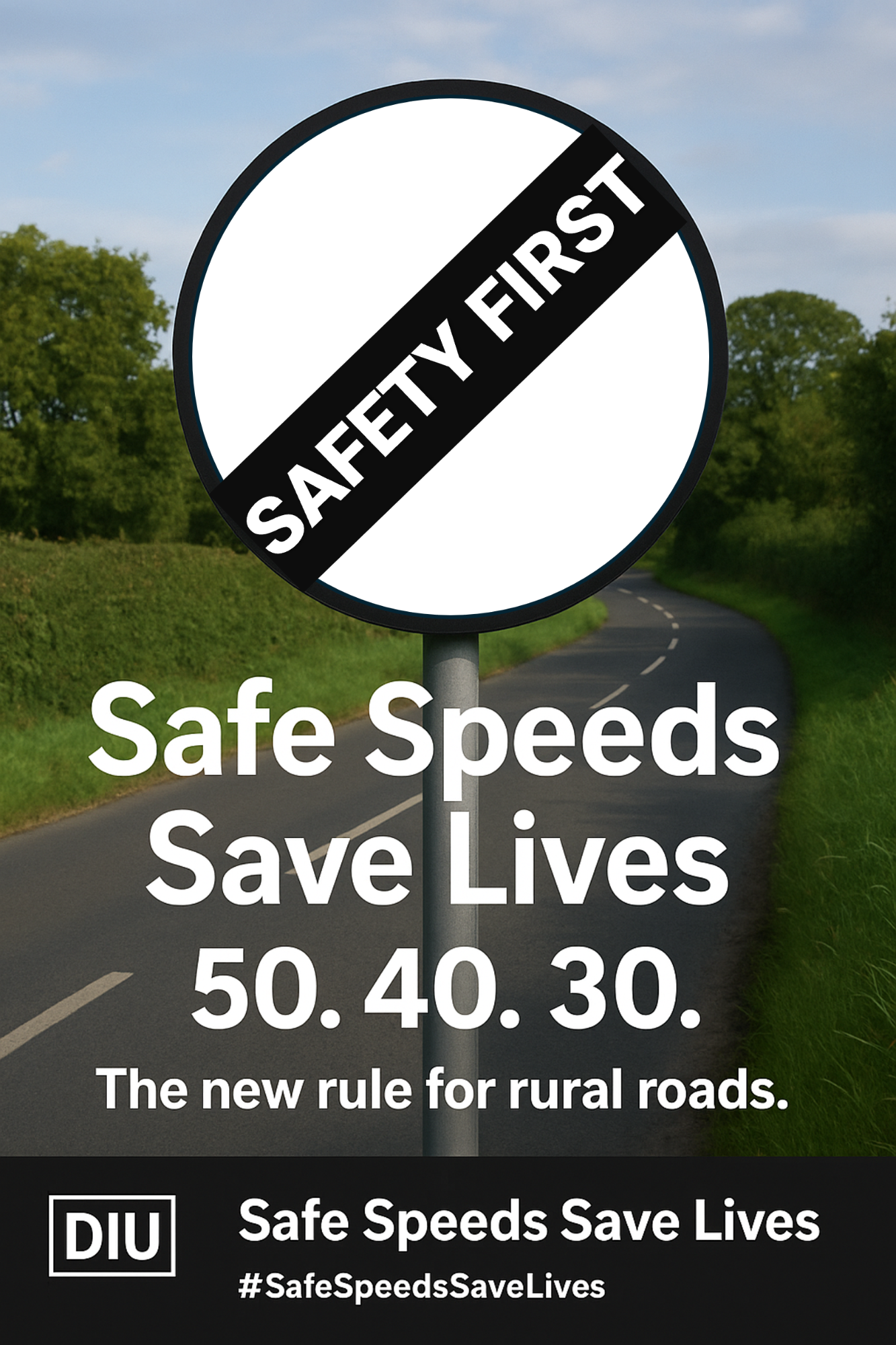
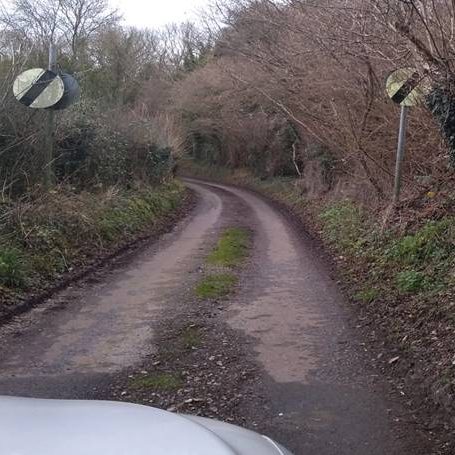
Sensible speed limits on Rural Roads
Maximum speed limits
50 mph on national single carriageways A roads
40 mph on on B & C roads
30 mph on Unclassified Roads
Please Note this section is for Driving Instructors only
Let us know your comments and Tick the boxes you agree with,